



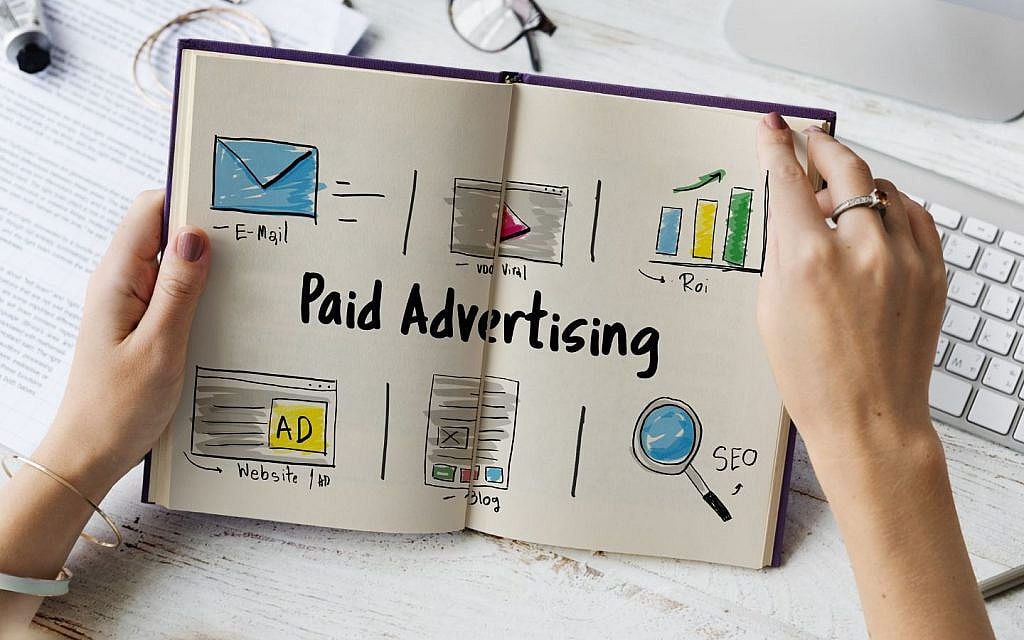
Launching an ad campaign is not hard. Making it profitable is. Plenty of businesses collect good numbers in clicks and views, then discover that the return doesn't cover the cost. The platform and the budget are rarely at fault. The way the campaign is run is. Good ad campaign management is no longer an on-and-off switch. It is a system of precise decisions based on data, and it is what separates campaigns that earn from campaigns that merely spend.
What ROI is and why it matters most
Return on investment is the true measure of a campaign: how much you spent and how much you earned in return. The simple version is revenue minus cost, divided by cost.
You can generate 10,000 visits and 1,000 clicks. If none of them turns into sales, your return is zero. Clicks and impressions are signs of activity. Revenue and profit are signs of success.
That is why the first step in managing ads well is to know your break-even point. If an average sale leaves you a certain margin, you can work out how much you can afford to pay for each customer before a campaign starts losing money. Every decision afterwards is measured against that number.
Good management starts before the ad goes live
The biggest mistake is to focus on the ad and ignore everything before it. Every campaign that performs starts with three things:
- A clear goal, such as sales, sign-ups or downloads
- A precise understanding of the audience
- A strong offer that is hard to ignore
Without these, even your best advert won't produce results.
Budget, targeting and testing
Split your budget by results, not equally
Managing ads well means testing several ads with a small budget, analysing the results and moving the budget towards the winners. Instead of spreading money evenly and hoping, let the data show where it works hardest. Early on, small test budgets across a few variations teach you more than one large bet on a single idea.
Targeting is half of the success
Even with excellent creative, wrong targeting means higher cost, lower conversion and a weak return. Smart targeting takes into account user behaviour, interests and the stage someone has reached in the buying process. The more precise the audience, the higher the return. If you advertise on Google or Meta, our paid ads team can review your audiences and account structure.
Test continuously
No campaign succeeds without testing. Try different headlines, images, offers and audiences, one change at a time so you know what caused the difference. Even small changes can move results noticeably, and the habit of testing is worth more than any single test.
Build the experience around the ad
A good ad needs a complete journey
Campaigns don't work in isolation. They have to connect to an optimized landing page, a fast user experience and a message that matches the ad. Any gap between the ad and the page leads straight to a lower return. If someone clicks an ad about one offer and lands on a generic homepage, many of them will leave.
Retargeting gives the best return at the lowest cost
One of the key secrets of smart management is not wasting the people who have already reached you. Retargeting helps you win back interested prospects, lift conversion and reduce what each customer costs. This step alone can multiply your return.
Connect campaigns to a growth system
Strong campaigns are not just ads. They are part of a bigger system that includes continuous data analysis, a better customer experience, improving marketing messages and a clear path to conversion. When a campaign operates inside that system, its return is more stable and easier to scale. It is the same thinking we apply across our wider digital marketing work.
Measure what pays, not what is easy to count
Many marketers focus on click-through rate and the number of clicks. These are useful for diagnosis but not enough to judge success. Concentrate on:
- Conversion rate, to see how well traffic turns into customers
- Cost per customer, to see what each sale really costs
- Return on investment, to see whether the whole effort pays
These are the numbers that decide whether a campaign succeeded.
How to raise ROI without raising the budget
Start with these steps:
- Pause weak ads quickly
- Put more budget behind the ads that work
- Improve the landing page
- Use retargeting
- Check the data daily
- Keep testing
Improvement matters more than spending.
FAQs
What is ad campaign management?
It is the ongoing work of planning, launching, monitoring and improving paid advertising so that it delivers measurable business results. It covers targeting, budget allocation, creative testing and reporting.
What is a good ROI for an ad campaign?
It depends on your margins, your sales cycle and your goals. The first step is to know your break-even point, then judge every campaign against it rather than against a general benchmark.
How often should I check my campaigns?
Check the key numbers daily while a campaign is learning, then settle into a regular schedule. Make changes in steady steps so you can tell which change produced which result.
Managing ad campaigns smartly does not mean spending more. It means understanding more. The campaigns that deliver real results are not the most expensive ones but the ones that know what works and what doesn't. If you want a second pair of eyes on yours, book a strategy session and we will go through your numbers together.
Let's talk about your growth
Book a strategy session

