


Most advertising asks people to read a claim and trust it. Augmented reality marketing and virtual reality do something different: they let customers try, explore and see the result for themselves before they decide. That makes them powerful for the right product, and an expensive novelty for the wrong one. This article explains how each works, where they pay off, and how to tell which side of the line your brand sits on.
AR and VR in plain terms
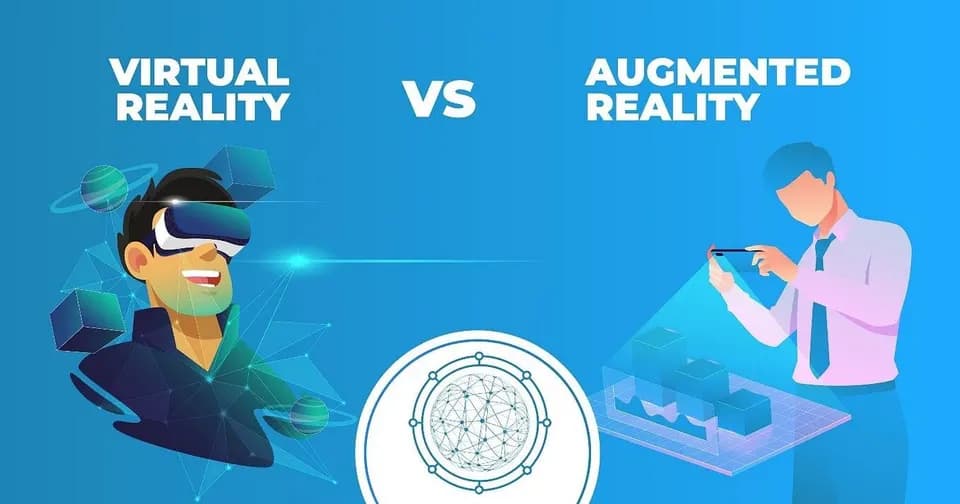
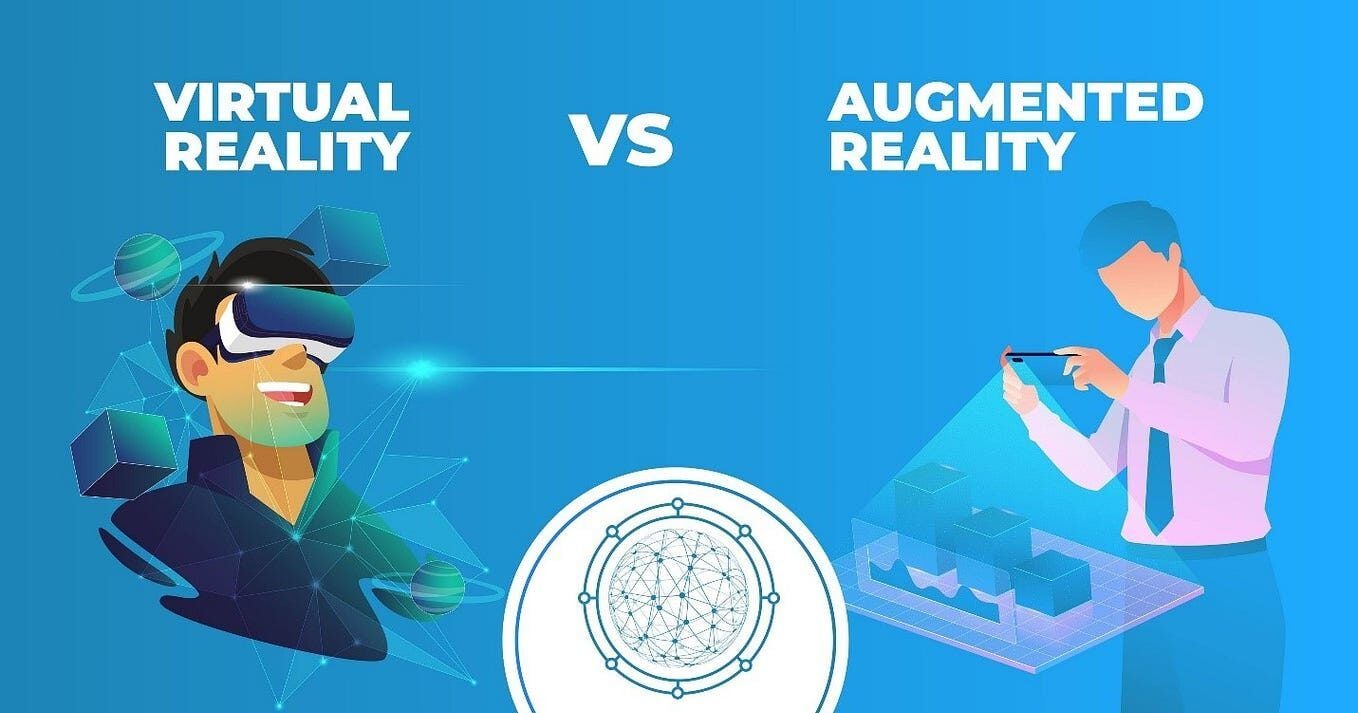
Augmented reality (AR) adds digital elements to what you see through a phone camera or smart glasses. A shopper points their phone at their living room and sees a sofa placed on the floor, or at their face and sees a lipstick shade.
Virtual reality (VR) replaces the real world with a fully digital one, usually through a headset. A buyer can walk through an apartment that has not been built yet, or look around a hotel room before booking.
One practical difference matters more than the technology: reach. AR can run in a phone's browser, inside Instagram or Snapchat camera effects, or in a short app session, so almost every customer can use it. Full VR needs a headset, so in marketing it is often delivered as a 360-degree tour that opens on any screen, with the headset version saved for showrooms and events.
Why try-before-you-buy changes behaviour
Customers hesitate when they cannot judge something: whether a colour suits them, whether a piece of furniture fits, whether a hotel looks like its photos. Both technologies answer that doubt directly.
- They replace claims with experience. A person who has seen the product in their own space needs less persuasion.
- They reduce second-guessing. Doubts about size, shade and fit are the ones that delay a purchase or cause a return.
- They invite sharing. People show friends a filter or a virtual tour more readily than they pass on an ad.
- They create data. You learn which options people try and which they abandon.
These benefits only appear when the experience solves a real hesitation. Without that, an AR effect is a toy.
Where AR and VR pay off
Retail and e-commerce
Trying on glasses, watches or shoes, previewing furniture and appliances at home, and checking how a product looks beside what you already own all reduce uncertainty. This suits categories where taste and fit decide the sale and returns are costly.
Beauty and personal care
Shade matching and virtual make-up are among the most natural uses of AR, because customers can compare options in seconds on their own face.
Real estate
Property is where VR earns its keep. In Egypt and the Gulf, buyers often commit to a unit before it is built, so a walkthrough of a show apartment, a compound or a tower with changeable finishes makes an abstract plan feel real. It also serves overseas buyers who cannot visit in person.
Hotels and tourism
A virtual look at the room, the pool, the restaurant and the surroundings builds confidence before a booking, especially for destinations the guest has never seen.
Automotive
Virtual showrooms let customers view a model in different colours and trims, and sit inside it, without a trip to the dealership.
Packaged goods and restaurants
Scanning a pack can open a recipe video, a demonstration or an offer. A restaurant can let diners preview dishes in 3D on the menu. These uses are lighter and cheaper, and they turn print and packaging into a digital entry point.
When to skip it
AR and VR are not for every brand, and a good agency will say so. Think twice if:
- The purchase is low-priced and quick, so nobody needs to try anything.
- You cannot name the customer doubt the experience removes.
- Your audience would struggle to access it, for example if it demands a download or a headset they will never own.
- The budget goes entirely into building it, with nothing left to promote it. A brilliant experience nobody finds earns nothing.
Cost and complexity are real. The first build usually costs more than a standard campaign, has to work across many devices, and needs a clear marketing story around it. That is why a test comes before a full build.
How to run your first AR or VR project
- Start with the doubt, not the technology. Write one sentence: "Customers hesitate because they cannot see X." Build the experience that answers it.
- Prototype first. A simple camera effect or a 360-degree tour can prove the idea at a fraction of the price of a custom app. If it works, invest further.
- Make it light. It should load quickly, start in one tap and work on mid-range phones. Offer Arabic and English with correct right-to-left layout.
- Plan the distribution. Add a QR code on packaging or in-store signs, a link in your ads, a camera effect on social, or a station at an event. The campaign around the experience matters as much as the experience.
- Measure the business result. Track how many people start, how many finish and what they do next. Compare the group who used it with the group who did not, looking at sales, enquiries or returns.
Custom experiences need high-quality 3D assets, and the skills overlap with motion graphics production. A dedicated mobile app is only worth building when a browser or social effect cannot do the job.
FAQs
What is the difference between AR and VR in marketing?
AR places digital elements into the real world through a camera, while VR immerses the user in a fully digital environment. AR works on almost any smartphone. VR delivers the strongest effect with a headset, though 360-degree tours bring a lighter version to everyone.
Do customers need to download an app?
Not always. Many AR experiences run in a mobile browser or inside social platforms' camera tools. Apps make sense when you need advanced features or repeated use.
Is AR suitable for a small business?
Yes, when the experience is simple and the product depends on seeing it. A shade-matching filter or a basic virtual tour can be affordable. Begin with a prototype, not a complete platform.
How do I know it worked?
Set the measure before you build. Typical choices are the conversion rate of people who used it, the number of product returns, the number of enquiries or showroom visits, and the time people spend with the product.
If you have a product that customers need to see to believe, our digital marketing team can help you decide whether AR or VR is the right tool and plan the campaign around it. Book a strategy session and bring your idea.
Let's talk about your growth
Book a strategy session

