


Many businesses grow in jumps. A strong campaign lifts sales for a month, things go quiet, and the next attempt costs more and delivers less. That pattern is not growth. It is a steady drain on money and energy. Sustainable business growth comes from a system that keeps running when the ads pause. This article explains what that system contains, how it differs from a campaign-led business and how to tell when you need one.
Why campaigns can't create lasting growth
A campaign is temporary by design. It has a start and an end, and its results are tied directly to what you spend. When the spend stops, so do the results. The problem is not the campaign itself but relying on it as your only route to growth.
The usual reasons campaigns fall short:
- They chase a quick sale without building an experience around it
- Nobody analyses the customer journey
- Nothing is invested in what happens after the purchase
- What works is never documented, so it can't be repeated as a process
Campaigns can be part of growth. They can't be growth.
What it means to treat growth as a system
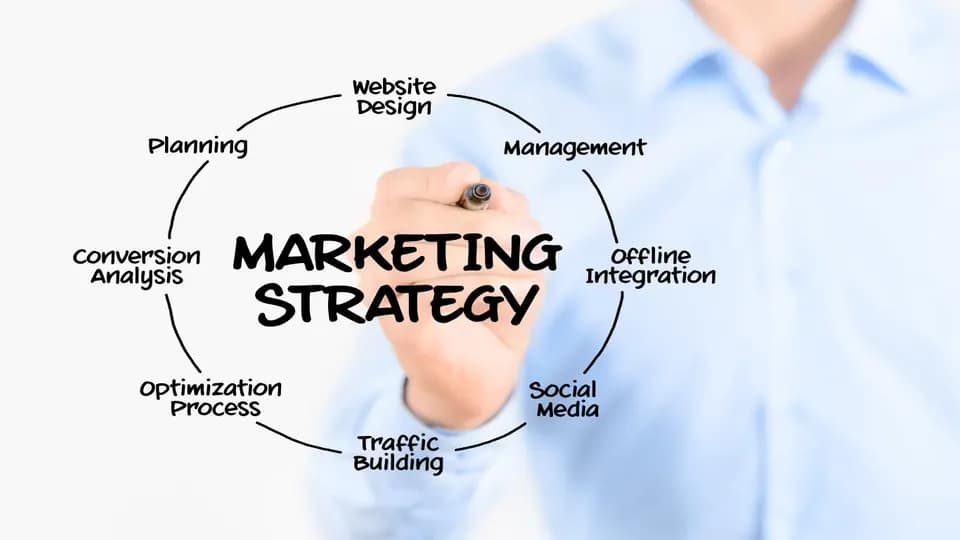
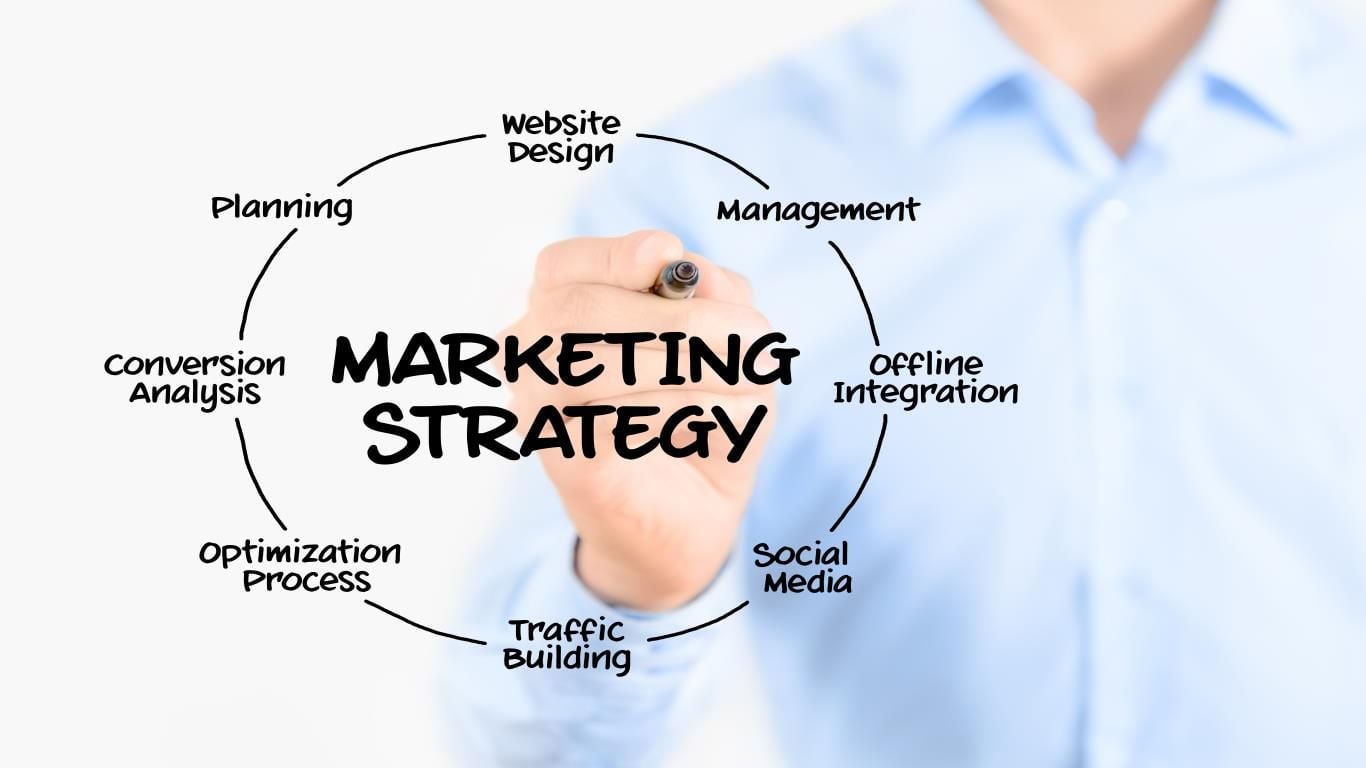
Growth as a system means every part of the business contributes to expansion, not just to this month's sales. It is a set of connected processes managed continuously: understanding the market and audience, improving the product or service, building a clear user experience, turning visitors into customers, keeping customers and increasing their value, and measuring performance so it can keep improving. Together these form what is often called growth management.
The difference shows up in how the business feels from the inside. A campaign-led business sees results in bursts, feels constant pressure to raise the budget, struggles to forecast revenue and depends entirely on advertising. A system-led business sees results that build over time, steadier revenue and a clear path to expansion, with advertising as one part of the machine rather than the centre of it.
The five pillars of a growth system
Pillar one: understand the audience in depth
Sustainable growth starts with knowing exactly who you serve. Not a "broad audience", but specific segments with clear needs. In practice that means analysing user behaviour, learning what motivates a purchase, finding the real pain points and tailoring the message accordingly. The deeper that understanding, the stronger the system built on it.
Pillar two: an experience designed for growth
Experience is not decoration. It is a growth tool. Businesses that expand steadily keep reviewing website speed, clarity of message, ease of navigation, simplicity of buying and mobile compatibility. A small fix to the experience can multiply results without a single extra pound, riyal or dirham of ad spend. A website built around conversion is usually the most valuable asset in the system.
Pillar three: convert before you scale
Before bringing in more visitors, make sure the ones who arrive are converting. A strong system works on raising the conversion rate, reducing drop-off, testing offers and messages and improving the pages that matter most. Scaling traffic into a weak funnel only magnifies the problem.
Pillar four: the after-purchase stage, where growth compounds
Most businesses neglect this stage, even though it is the most profitable one. Existing customers are the fastest route to steady growth. A good system makes sure communication doesn't end at payment, simple loyalty programmes exist, content keeps the relationship warm and repeat purchases are encouraged. Instead of chasing new customers all the time, you build a base that grows on its own.
Pillar five: data leads, impressions don't
A system doesn't run on gut feeling. Each decision rests on numbers that answer plain questions: where do users enter, where do they stop, what motivates them and what blocks them? Growth management means watching this continuously and improving constantly, instead of waiting to see how the next campaign does.
How this looks in practice
When we work this way, we start with a full analysis of the business and set up a clear growth framework. We then coordinate content, ads, experience and analytics so that each piece works inside a single structure. The outcome is not a short-lived spike but expansion you can build on with confidence.
Signs you need a system, not another campaign
- Results swing even when you keep advertising
- You find it hard to forecast sales
- Costs climb while returns don't improve
- Everything stops the moment you pause a campaign
Any one of these suggests that your business needs growth management more than it needs a new campaign. A sensible first step is to audit the customer journey, as that is where the largest gains are normally hiding. Our digital marketing services begin with exactly that.
FAQs
What is sustainable business growth?
It is growth that continues without constant extra spending. It comes from a connected system of customer understanding, conversion, retention and measurement, not from one-off bursts of advertising.
Do I have to stop running campaigns?
No. Campaigns are useful inside a system. The change is that they are planned, measured and connected to the rest of the experience, rather than carrying all the weight alone.
Where should I start?
With measurement. Find out where customers enter, where they leave and which customers return. Once you can see that, the priorities usually become clear.
Real growth is not built by reacting. It is built by systems. Campaigns may raise your numbers for a while, but a system keeps them there and lifts them steadily. If you want to build one, book a strategy session and we will map where your business stands today.
Let's talk about your growth
Book a strategy session

